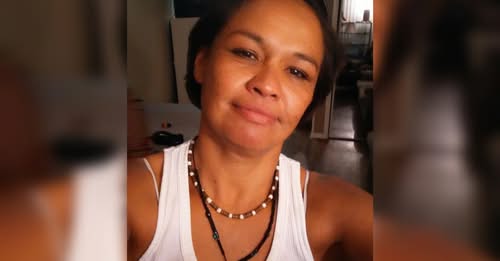
Forgotten in Silence: The Disappearance of Wilhelmina “Mina” Denise Whitewater
On July 31, 2018, Wilhelmina “Mina” Denise Whitewater walked away from her home in Tsaile, Arizona, with plans to return. She never came back. That day marked the last time anyone in her family heard from her.
Mina was 45 years old at the time of her disappearance. A member of the Navajo Nation, she was described as 5’4” tall, weighing about 140 pounds, with dark hair and brown eyes. When she was last seen, she wore black pants, a black-and-white jacket, blue or purple running shoes, and two rings. She left her residence on tribal land with every intention of returning—but the life she lived with her family and community was suddenly, inexplicably interrupted.
Since that summer day in 2018, there have been no phone calls, no visits, and no signs of Mina. She would be 53 years old today.
Her disappearance has drawn little media coverage, and like so many missing Indigenous women across the United States, her story has slipped largely into silence. Her name is not one you’ll see trending in headlines. Her face has not been broadcast across major news networks. And yet, her family still waits, still wonders, and still grieves in the absence of answers.
It is disheartening—but not surprising—to see how quickly cases like Mina’s are overlooked. When white women go missing, national media often mobilize, entire communities rally, and resources pour into the search. But when Indigenous women vanish, especially on tribal lands, their cases are too often dismissed, ignored, or allowed to fade away in the shadows. This pattern is not just unfair—it is dangerous. It reinforces the devastating truth that some lives are treated as less worthy of attention and justice than others.
So what can the public do?
First, we can say their names. We can share their stories in conversations, in social media posts, and in community gatherings. Attention is power—it amplifies the call for accountability and keeps cases alive. Second, we can demand better from the media. Write letters, send emails, and ask why cases like Mina’s never make the news. Third, we can support organizations working on Missing and Murdered Indigenous Women (MMIW) cases, from community search groups to advocacy coalitions. And finally, we can encourage law enforcement and policymakers to dedicate the same energy, urgency, and resources to these cases as they do to others.
Mina Whitewater was a daughter, a friend, a neighbor, a member of the Navajo Nation, and a woman who deserved safety, respect, and justice. Her case should not linger in silence.
If you have any information regarding the disappearance of Wilhelmina “Mina” Denise Whitewater, please contact the Navajo Police Department at (928) 674-2000. Even the smallest piece of information could help bring her home or bring her family closer to the truth.
Until then, her story remains another reminder of the many Indigenous women whose names we should never forget.