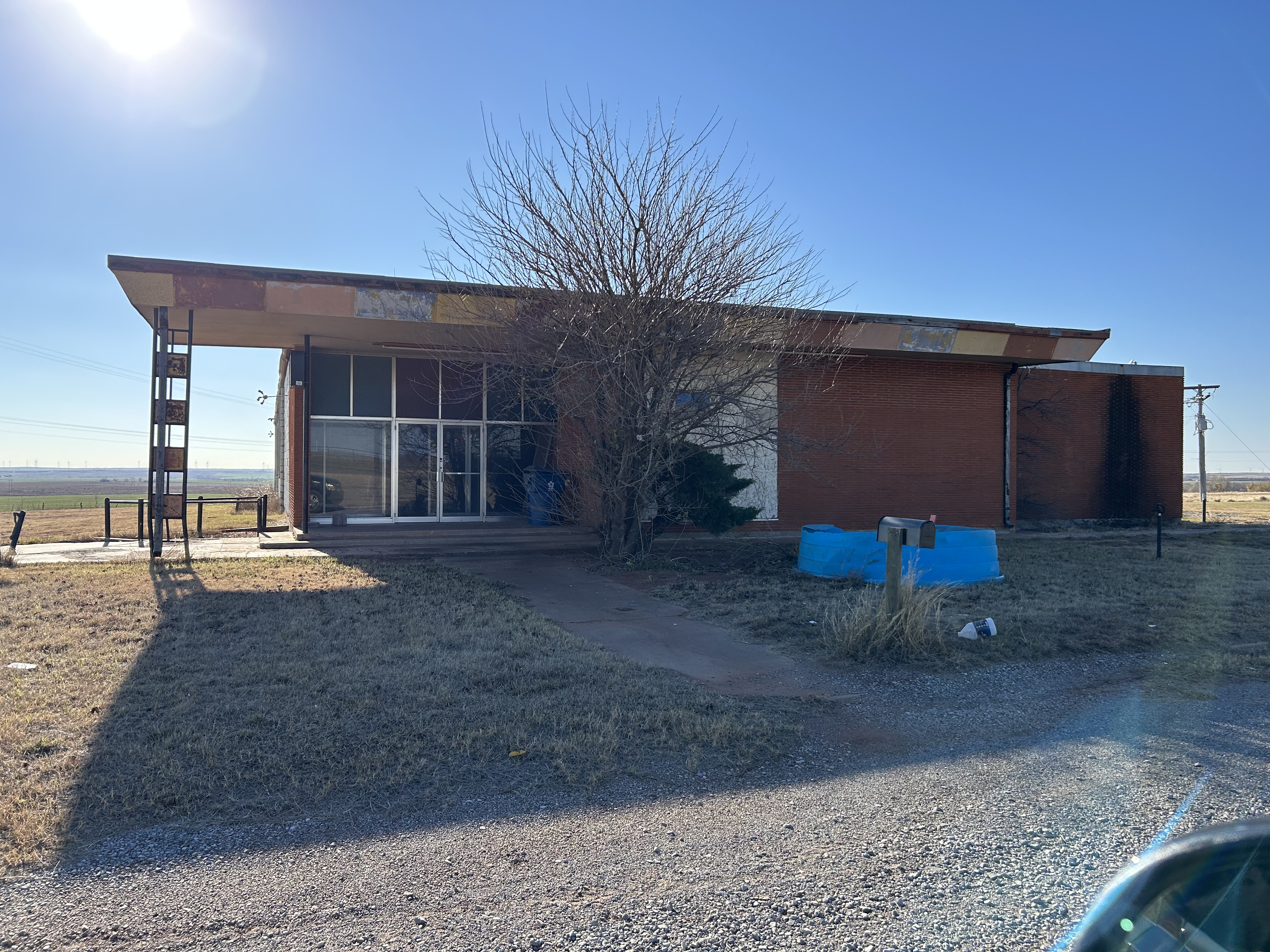
Hilltop Lanes: How Childhood Trauma Fueled My Fight for Justice
Like so many others, my obsession with true crime began with a story that rattled the nation—the hunt for the Golden State Killer. I was captivated by the tireless work of the late Michelle McNamara, whose unrelenting pursuit of justice ultimately changed the way we think about solving cold cases. Michelle’s passion was fueled, in part, by the unsolved murder of a young woman in her own neighborhood. That tragedy never left her.
For me, my fire was lit in a dusty Oklahoma bowling alley on a night I will never forget.
I was a carefree little girl with curly blonde hair, running between the snack bar and the lanes where my dad bowled each week. That night, I had no idea my childhood was about to end. A man with a dark beard appeared—polite, calculated, and insistent that he knew my father. He told me stories about their supposed time in the Army, even a fishing trip they had supposedly taken together. He played the part of a friend so convincingly that I believed every word.
Then came the lure. He promised to show me a “huge fish” outside in his car. I was moments away from walking out that door with him when my father’s booming voice cut through the bowling alley: “STOP. Stop right now!” The man bolted. My father scooped my sister and me into his arms as chaos erupted around us.
The police came. A report was filed. And my family—forever changed—drove home in stunned silence. Later that night, through tears, my parents explained the unthinkable: “Some bad men like to hurt little girls.”
That was the night I learned that evil can sit beside you, laugh with you, and look you in the eye. That was the night I lost the safety of childhood.
What followed was trauma I didn’t yet have words for. Nightmares. Fear. A deep, lasting inability to trust. But it was also the night something else was planted in me: a resolve. I became a witness in the case against that predator. I sat in a small Oklahoma courtroom, pointed at the man who tried to trick me, and told the truth. I walked out of that courtroom changed, knowing that standing up mattered.
That single experience shaped the course of my life. It explains why I gravitate toward stories of women who vanish, of unsolved murders, of families left in torment with no answers. My own pain birthed a purpose: to be an advocate for those who can no longer speak for themselves.
For over nine years now, I’ve poured my heart into the case of Melissa Witt, a young woman whose murder remains unsolved. Some people call it obsession—I call it responsibility. I know how quickly lives can be shattered, and I know the weight families carry when justice is denied.
Every case I cover is personal. Every name I write is more than a statistic. I fight because someone must keep these stories alive. I fight because families deserve answers. I fight because justice matters.
And while I’ve learned to forgive the man who stole my innocence that night at Hilltop Lanes, I will never forgive the silence that comes when victims are forgotten.
That’s why I write. That’s why I investigate. That’s why I refuse to stop.