The Silent Crisis: Why I Use My Voice to Share the Stories of Missing and Murdered Indigenous Women
Washington State is one of the epicenters of a national crisis: the staggering number of missing and murdered Indigenous women and girls (MMIWG). These disappearances and deaths are not random tragedies—they are the result of systemic failures, historical injustices, and a law enforcement response that has far too often been inadequate.
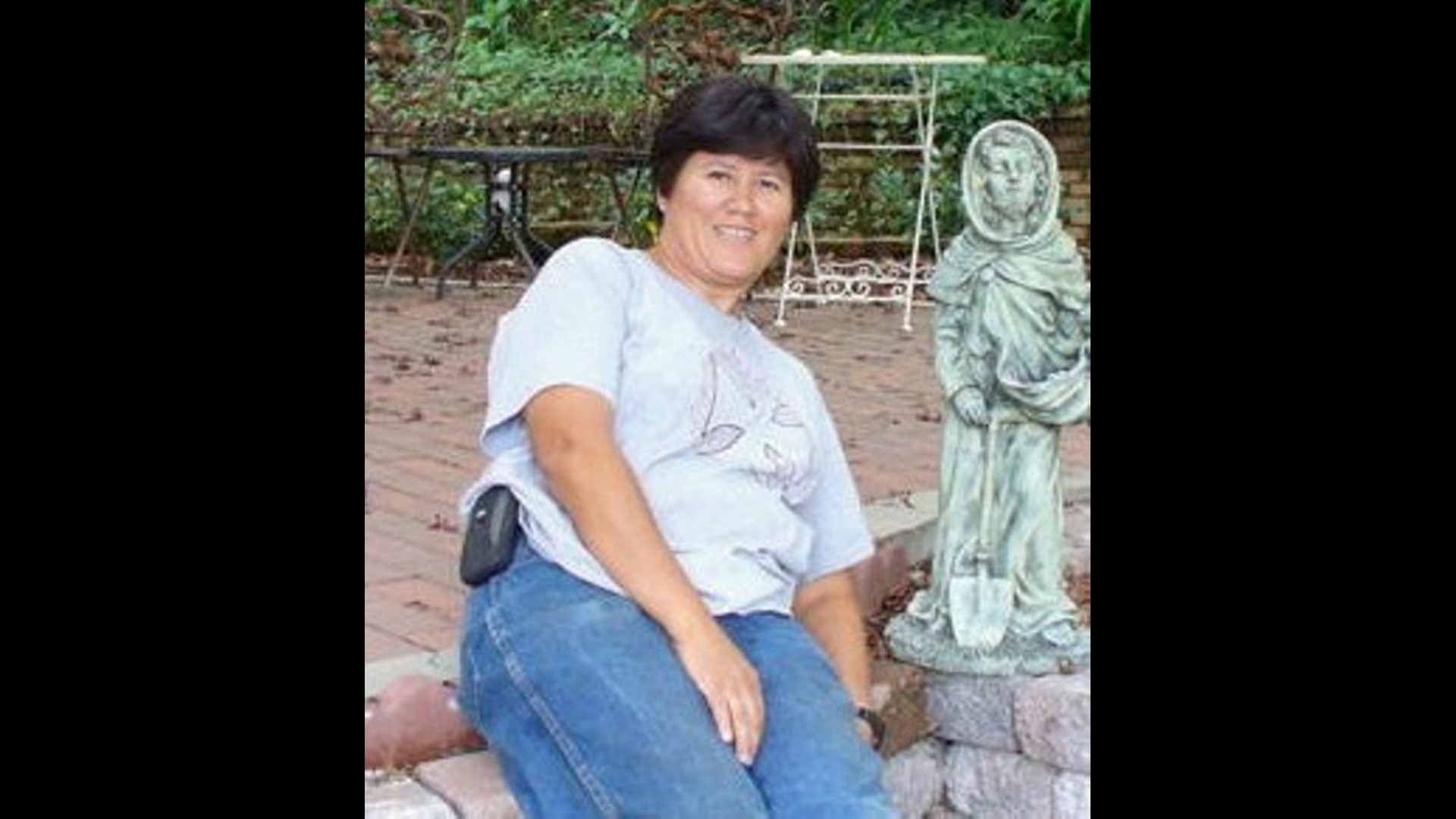
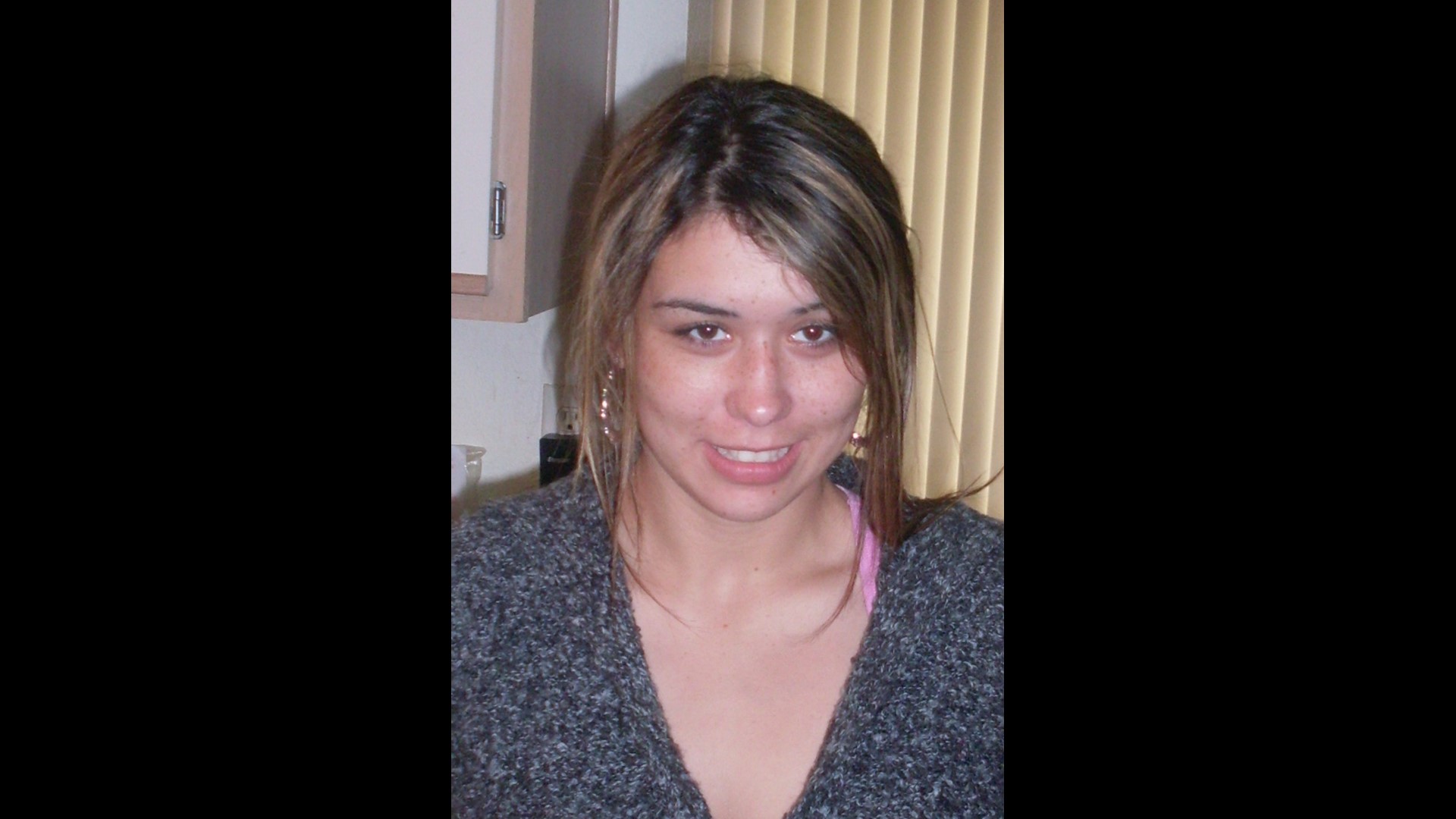
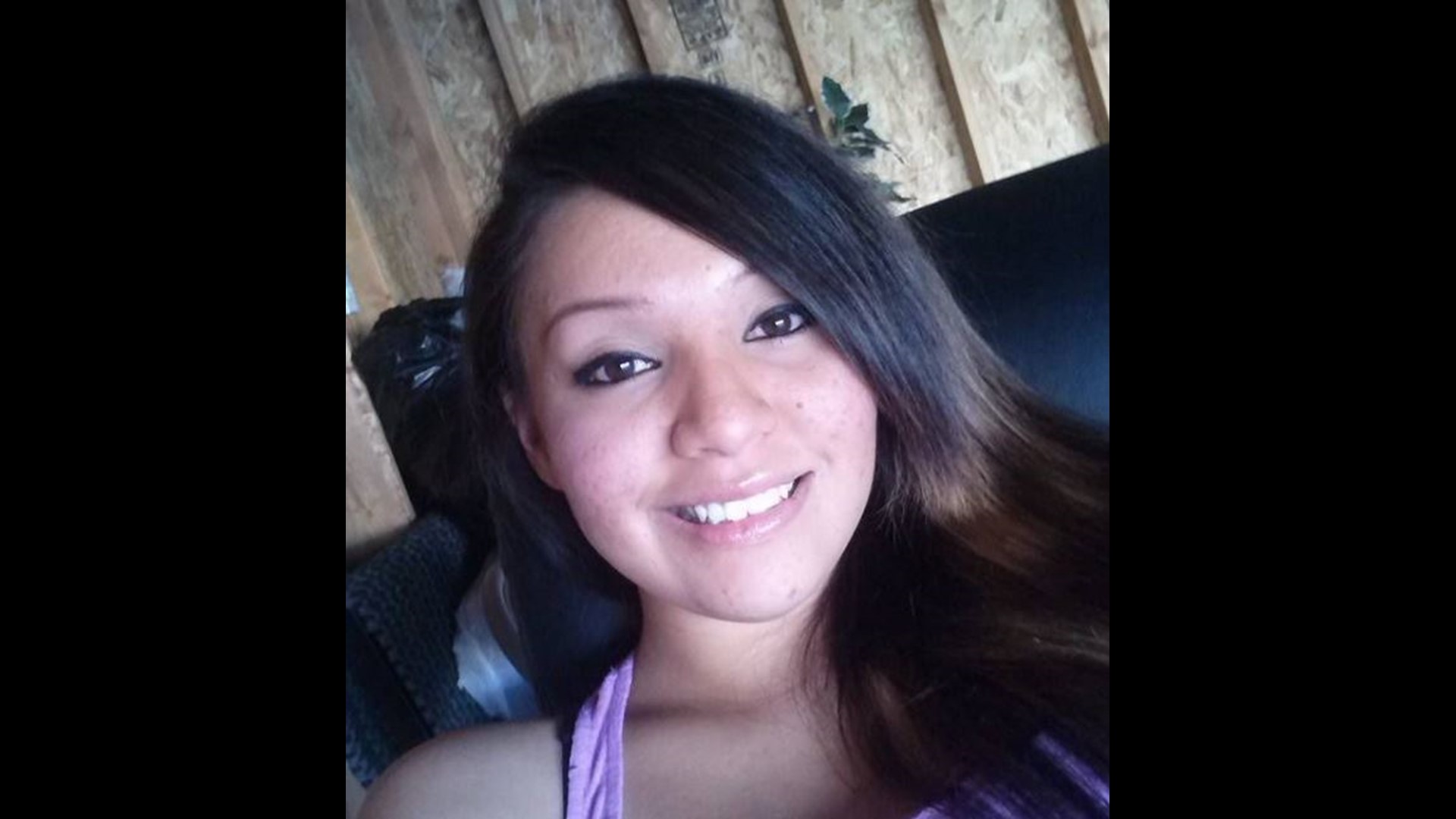
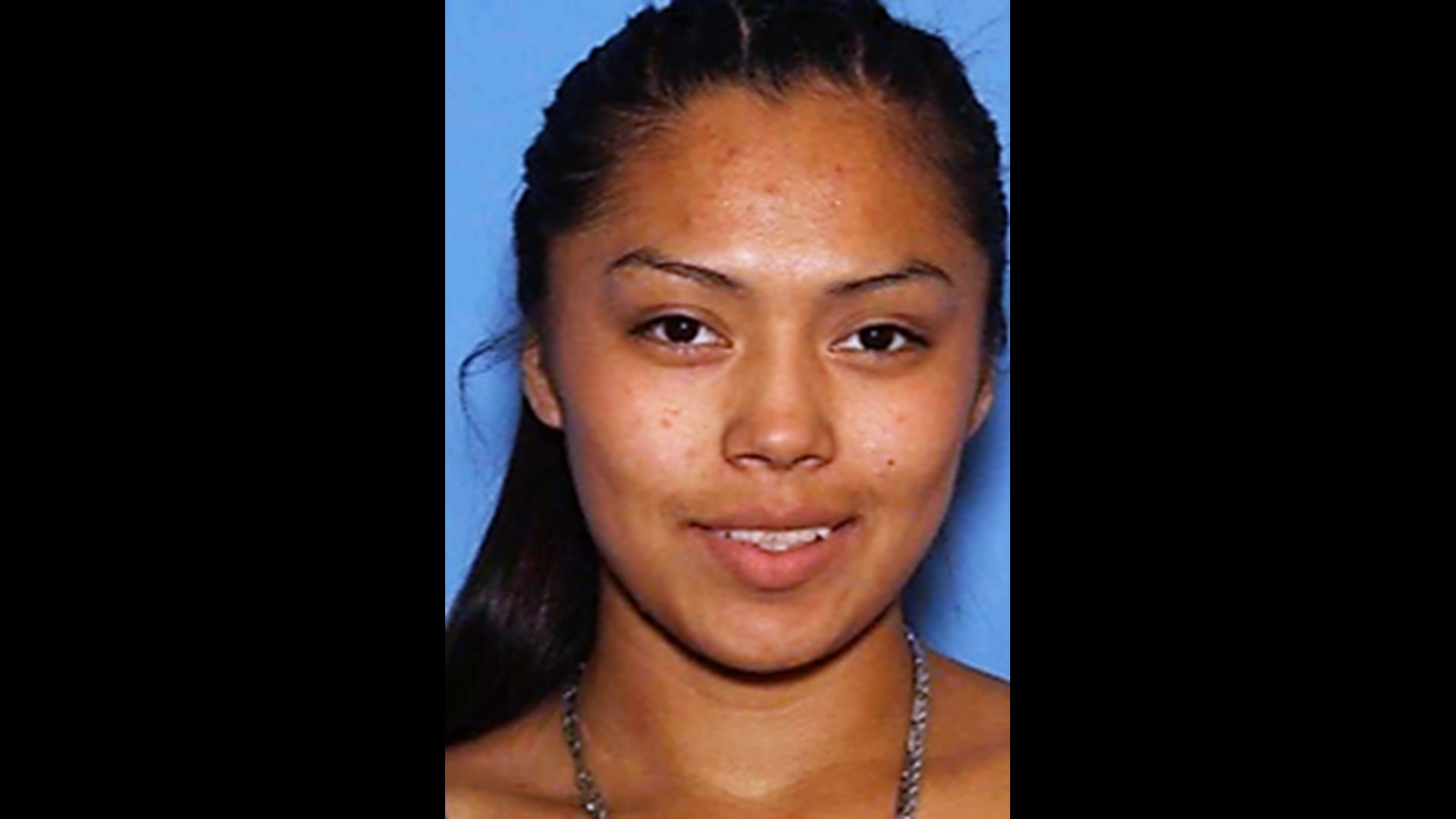
For me, writing about these women is not optional. It is necessary. I believe it is my responsibility to use my voice and my platform to make sure their names, their stories, and their families are not forgotten. Because behind every statistic is a woman who laughed, who loved, who mattered. Behind every unsolved case is a family broken by silence, waiting for answers.
Why Washington?
Washington has the second-highest rate of MMIWG cases in the nation. The crisis touches both reservations and urban centers, with communities in Seattle, Tacoma, and beyond grappling with devastating numbers of missing women. This is not an isolated issue—it is woven into the very fabric of injustice Indigenous women face across America.
Systemic Issues and Historical Trauma
- Lack of accurate data and misclassification: Too many cases are misclassified, overlooked, or ignored, erasing women from the records entirely.
- Jurisdictional complexities: Tribal governments often struggle to prosecute non-Native offenders who commit crimes on tribal lands, leading to dangerous gaps in accountability.
- Historical policies and socioeconomic inequities: Decades of forced relocation, land seizures, poverty, and generational trauma have created conditions where violence thrives.
Law Enforcement’s Inadequate Response
The Urban Indian Health Institute has documented what families know all too well: partnerships between tribal, state, and federal law enforcement are often fractured, and investigations are not always handled with urgency or sensitivity. Many cases remain underreported, leaving victims invisible and families powerless.
The Fight for Justice
Despite the darkness, advocacy efforts are growing. Organizations like the Urban Indian Health Institute and YWCA Spokane are raising awareness and pushing for change. The Washington State Missing and Murdered Indigenous Women and People Task Force is working toward solutions that could finally bring accountability and justice.
Why I Write These Stories
Every time I write about a case of a missing or murdered woman, I remind myself: this is not just a headline. This is someone’s daughter, sister, mother, friend. Their families live in daily torment, wondering what happened, praying for justice.
And this is why I cannot stay silent. These women deserve to be named. Their families deserve answers. And the only way to keep pressure on the systems that failed them is to keep telling their stories, again and again, until justice is served.
Washington State’s MMIWG crisis is a reflection of a national wound, one that can no longer be ignored. I will continue to use my platforms to showcase these women’s cases—to say their names, to share their stories, and to shine light on the injustice that keeps them hidden.
But I cannot do this alone. If you have information about these cases, or if you know why these stories are not getting the exposure they deserve, I want to hear from you. Please reach out. The more voices that speak up, the harder it becomes for these cases to be ignored.
Because justice delayed is justice denied. And justice is long overdue.