Through the Killer’s Camera
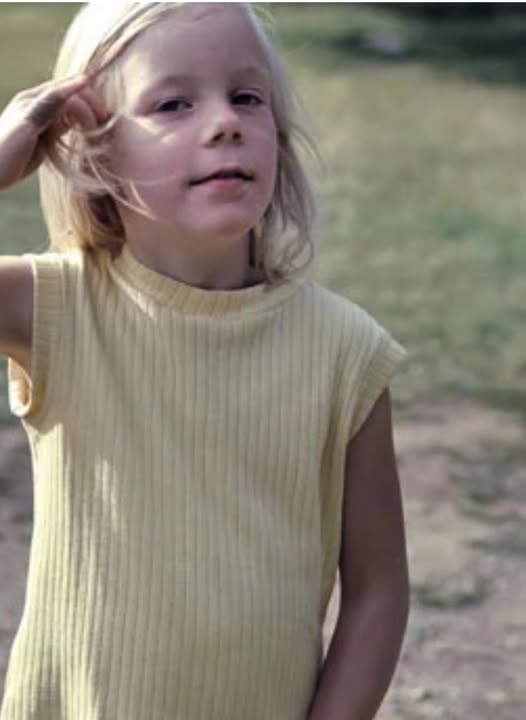
It started with a single photograph. Late one night, while researching another cold case, I came across an image linked to Rodney Alcala—a young woman looking directly into the camera, unaware that the man behind the lens was hiding unimaginable darkness. That photograph stayed with me. Then I found another. And another. Soon I was staring at a gallery of unknown faces, and I couldn’t stop asking myself: who are they? Where are their families?
Rodney Alcala is remembered by many as The Dating Game Killer, a man who, in 1978, appeared on a television game show, smiling and flirting, winning a date with a contestant who later backed out after sensing something unsettling about him. What the world didn’t know at the time was that Alcala was already in the midst of a brutal killing spree, one that would span years and stretch across multiple states.
He was intelligent, talented, and calculating. He used photography as bait, presenting himself as a professional who could launch modeling careers. Women, teenagers, even children trusted him with their image, and too many paid with their lives. When Alcala was finally caught, investigators uncovered a chilling secret: a storage locker filled with over 1,000 photographs. Among them were confirmed victims. Others came forward alive, recounting their narrow escapes. But hundreds remain unidentified—women, young men, and children frozen in time, trapped in a frame without a name.
That is why I started this project. My Facebook page, Through the Killer’s Camera: Help Identify Them, exists to bring those faces back into the light. These photographs aren’t just relics of a murderer’s obsession—they are pieces of someone’s story, and they deserve to be told.
The more I dig into Alcala’s case, the more determined I become. This is not abstract. This is not history tucked away in a file. These are real people whose families may still be searching, unaware that the answer could be hidden in one of these images. Some of the unidentified are children—small, innocent faces that make my heart ache. A few are young men whose presence in Alcala’s portfolio only deepens the questions. Every single one of them matters.
And here is the haunting reality I cannot shake: maybe some of these photographs are of people who survived. Maybe they were women or men who crossed paths with Alcala, sensed danger, and escaped. But what if some of them didn’t? What if some of these faces belong to victims whose families have spent decades waiting for answers they never received?
Justice doesn’t end with a conviction. Each unidentified person represents a possibility and a family who may still be living with questions about their loved ones. By sharing these images and looking closely, you might be the link that changes everything. A single recognition could bring peace to someone’s family or open a door in a case that has been cold for far too long.
I need your eyes, your networks, and your willingness to care. Share these images widely. Start conversations. And if you recognize anyone, contact me or law enforcement.
This is more than a project. It is a commitment to the lost, a promise that their names will not vanish into obscurity. I want to honor them. I want to find them.