Vanished on Her Birthday: The Unsolved Disappearance of Kathleen Marie Wandahsega
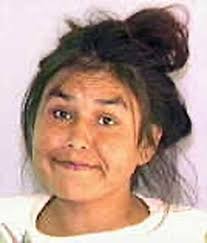
On October 19, 2002 — the day she turned 33 — Kathleen Marie Wandahsega walked away from a home in Port Richey, Florida, and into the unknown. She has not been seen or heard from since.
Kathleen is Native American, 5 feet tall, and weighed between 100 and 110 pounds. She has black hair, brown eyes, a scar on her upper lip, another on her left wrist, and tattoos — a heart and an Indian on her right wrist, and others on her left arm and wrist. Some records list her as using the last name Williams. That day, she was wearing a white shirt and black pants — and she was supposed to celebrate her birthday. Instead, she vanished.
Kathleen lived with challenges familiar to many in the MMIW crisis: she struggled with alcohol use disorder, sometimes hitchhiked, and often frequented bars. These realities have too often caused cases like hers to be dismissed or deprioritized. But none of that changes the most important truth — she is still missing.
Even small details raise big questions: a $500 check mailed to her shortly before she disappeared was never cashed. Financial assistance she received went untouched. And though some reports list her disappearance as August 14, 2002, all evidence points to October 19 — the day she should have been celebrating, not disappearing.
More than two decades have passed without answers. And yet, Kathleen’s story — like too many others — remains mostly untold.
While researching Kathleen’s disappearance, I came across a project that moved me deeply: the Red Threads Database — a digital archive dedicated to Missing and Murdered Indigenous Women, Girls, and Two-Spirit people. Its mission is powerful:
“Honoring Their Stories. Amplifying Their Voices. Demanding Justice.”
Red Threads is taking the next step — becoming an official 501(c)(3) nonprofit. This milestone will unlock opportunities for grants, partnerships, and long-term support for families who deserve to be seen, heard, and believed.
Their work is about more than data. It’s about dignity. It’s about building a collective memory that refuses to let these stories disappear, just as their loved ones did. It’s about supporting families still searching — and ensuring that names like Kathleen Wandahsega are never forgotten.